

Beyond the Drop: Are Preorders a New Frontier in Sneaker Culture?
- William Borch

- Jan 30, 2024
- 9 min read
Are Preorders the Best Way to Satisfy Hypebeasts?
...The Pros and Cons of Anticipatory Consumption in Sneaker Culture
In the dynamic and ever-evolving world of sneaker culture, the term 'hypebeast' resonates with a unique fervor. Describing a community passionately devoted to the pursuit of the most exclusive and often elusive footwear. This fervor is not just about fashion; it's a cultural phenomenon, a hobby, and sometimes a lifestyle, that intertwines with identity, expression, and a sense of belonging.
Sneaker culture, at its core, is driven by a compelling narrative of scarcity, desire, and status, where special releases are more than just a product—they’re a statement. The influence of major players like Nike, Jordan, and adidas has been instrumental in shaping this landscape.

Photo Credit - KITH
However, the recent shift towards preorder models, particularly by innovative brands like KITH & Aimé Leon Dore, has raised an interesting question: Can preorders effectively satisfy the insatiable appetite of “hypebeasts”, or do they dilute part of the essence of excitement, and exclusivity that has defined sneaker culture?
Diving into the nuanced nature of this question, it’s important to reflect on the history of sneaker culture and how it has transcended its beginnings to become a global phenomenon. It's a culture that celebrates creativity, innovation, and, historically, exclusivity. The thrill of acquiring a limited-edition pair of sneakers, often released in small quantities and hyped through clever marketing, has been like a modern-day treasure hunt. These limited releases, often characterized by innovative designs, collaborations with high-profile artists or brands, and historical or cultural significance, create a frenzy among sneakerheads, often leading to long lines outside stores and record-breaking traffic on online platforms.
A landmark moment that encapsulated this was the 2005 release of the Jeff Staple Nike SB Dunk Low, aka the “Pigeon Dunk.” This sneaker became an iconic symbol of sneaker culture's obsession with limited releases. Designed by Jeff Staple, founder of Staple Design, the shoe featured a simple yet striking colorway inspired by the ubiquitous pigeons of New York City. Its muted greys and the unmistakable splash of pigeon pink, coupled with the embroidered pigeon on the heel, made it instantly recognizable and highly coveted.

Photo Credit - Sotheby's
The release of the Pigeon Dunk was nothing short of a cultural event. It wasn't just the design that made the sneakers legendary but also the frenzy surrounding their release. Only around 150 pairs were made available at Staple’s retail store in New York City, leading to an unprecedented turnout. The release attracted crowds of eager fans and sneakerheads, some camping out for days in anticipation. The situation escalated to such an extent that the police had to come to manage the crowd. The release day ended up being chaotic yet historic, with reports of scraps and intense competition to secure a pair.
The aftermath of the Pigeon Dunk release marked a turning point in sneaker culture. It was one of the first instances where a sneaker drop garnered widespread media attention, highlighting the lengths to which people would go for a coveted pair of sneakers. It also showcased the power of storytelling in sneaker design – the Pigeon Dunk wasn’t just a shoe; it was a narrative about New York City, street culture, and the burgeoning sneaker community. This release laid the groundwork for future collaborations and limited releases, setting a precedent for hype, exclusivity, and the cultural impact a sneaker can have.

Photo Credit - Complex Sneakers (@ComplexSneakers via X)
Moreover, the Pigeon Dunk release demonstrated the economic potential of the sneaker market. The resell value of these sneakers skyrocketed, with pairs being sold for many times their original price. This phenomenon highlighted the secondary market's role in sneaker culture, where the value of a sneaker is determined not just by its retail price but by its rarity, design, and cultural significance. At the time of writing, the only available ‘new’ pair on GOAT is listed for over $40,000.
In retrospect, the release of the Jeff Staple Nike SB Dunk Low “Pigeon” was a pivotal chapter in the story of sneaker culture. It exemplifies how a well-crafted collaboration and a compelling narrative can create not just a product, but a cultural icon. This release was a testament to the power of sneakers as a medium for artistic expression, community building, and cultural commentary. As such, it remains a touchstone in discussions about the evolution of sneaker culture, the dynamics of hype, and the continuous interplay between creativity, exclusivity, and consumer passion in the world of sneakers.
Building Hype & Exclusivity
Beyond the Pigeon Dunk, brands like Nike and Jordan have mastered the art of limited releases over decades of practice. Their strategy to create scarcity has historically driven up demand but also laid the way for the secondary market to thrive. This strategy has worked wonders in terms of marketing and branding and has cemented the brand's status as the most recognizable ‘king of the castle’. The allure of owning a piece of this exclusivity and the social status it confers fuels the hypebeast culture; in turn, sneaker collecting has become a pursuit of passion and prestige.
However, this model is not without its drawbacks. The high demand and limited supply often leave many enthusiasts empty-handed, leading to frustration and disenchantment. It's a model that thrives on the 'fear of missing out,' creating a competitive environment that's exhilarating for some but disheartening for others. It's in this context that the concept of preorders emerges as a significant departure from the status quo and a potentially revolutionary approach.
The preorder model offers an intriguing alternative to the traditional drop system. KITH, alongside other leading brands, has been at the forefront of this shift, most recently with their launch of the Kith x Clarks 8th Street x adidas Gazelle Indoor “Molecule”, a follow-up to their extremely popular Kith x Clarks 8th Street x adidas Samba series of 2023. By allowing customers to reserve their sneakers in advance, the preorder model promises a more inclusive and less chaotic purchasing experience. Clearly, this marks a significant departure from the rush of traditional drops, offering a more democratic and accessible way for enthusiasts to secure coveted pairs.
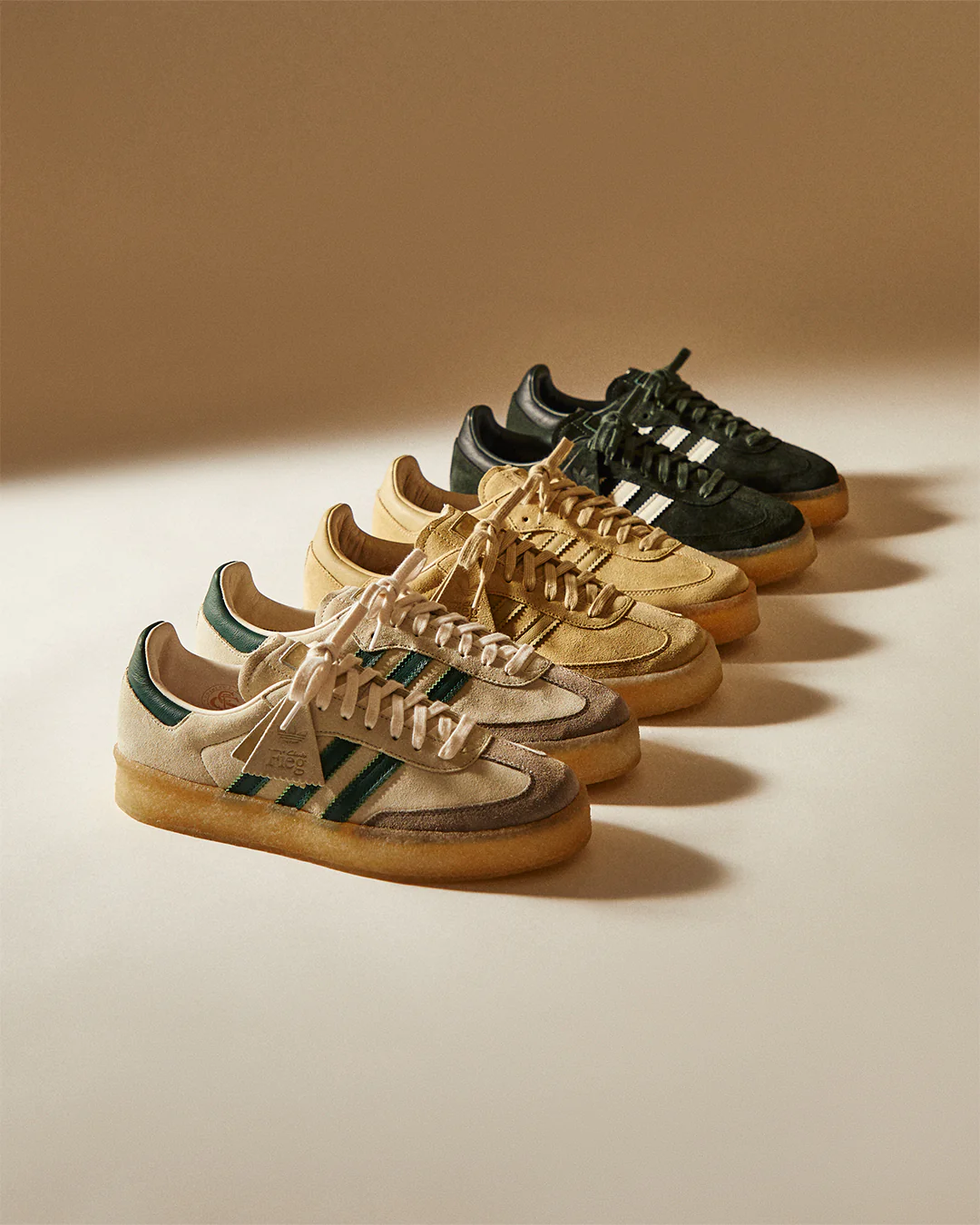
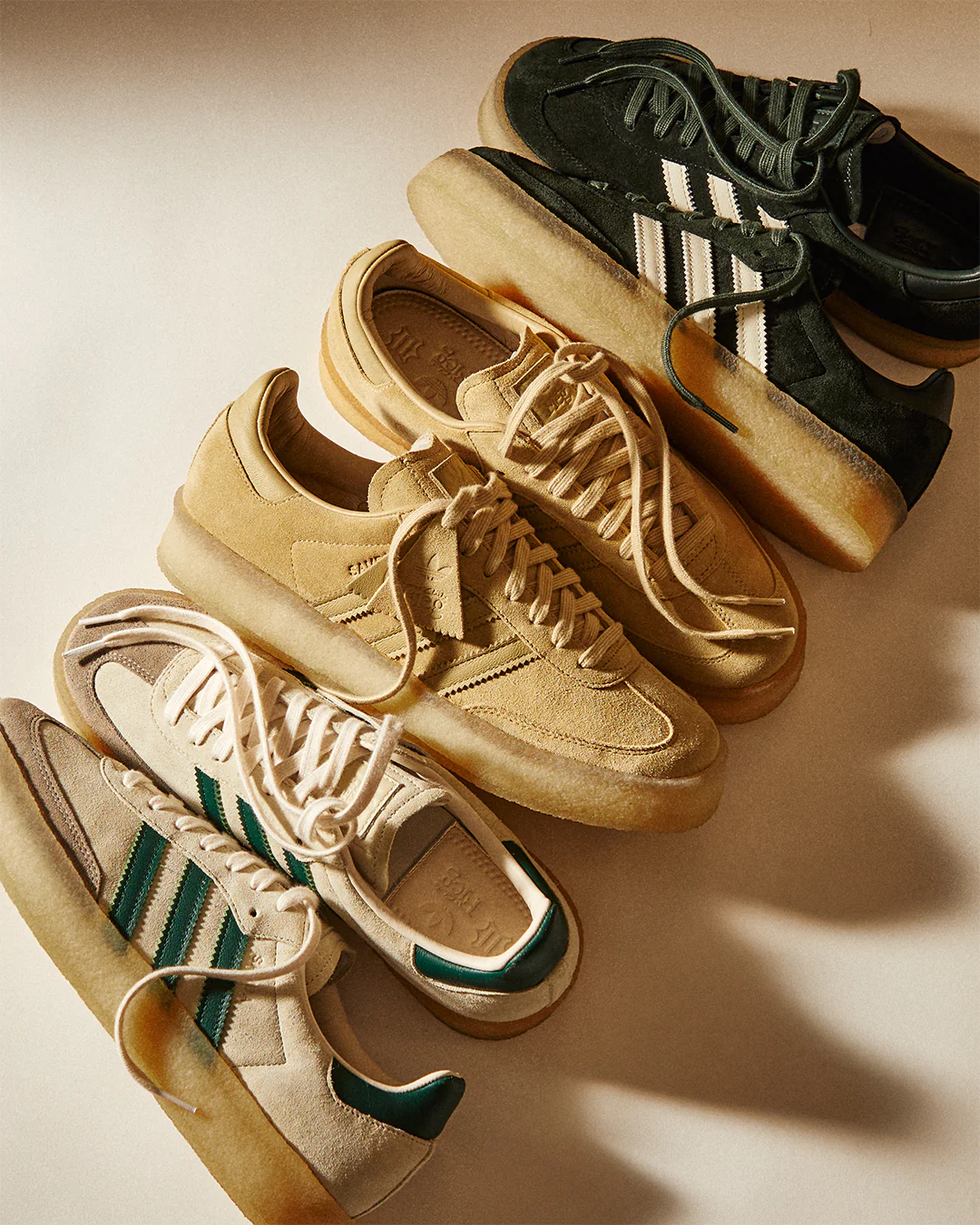
Photo Credit - KITH
With that said, this does raise fundamental questions about the nature of desire and exclusivity in sneaker culture. Does the excitement of sneaker collecting stem from the thrill of the chase and the satisfaction of triumphing over limited availability? Or can it also be nurtured through the assurance of accessibility and the anticipation of a guaranteed purchase? The preorder model challenges the traditional dynamics of scarcity and demand, proposing a scenario where “hype” is maintained not through exclusivity but through anticipation and guaranteed satisfaction.
Moreover, the rise of preorders reflects a broader shift in consumer behavior and market dynamics. In an era where instant gratification is often the norm, the willingness of consumers to wait for a product challenges conventional wisdom. If everyone were on board, it would suggest a maturation of hypebeasts and sneakerheads, where the value of a product extends beyond the immediate rush of acquisition to a more measured appreciation of design, craftsmanship, and brand identity. This evolution also speaks to the growing sophistication of sneaker enthusiasts, who are increasingly discerning in their choices and seek a deeper connection with the brands and stories behind the sneakers.
Digging a bit deeper, I think it’s important to consider these shifts within the broader context of fashion, consumerism, and cultural expression. The sneaker world is not just a market; it's a canvas where art, fashion, sports, and culture converge to create something bigger than the product. It's a realm where truly special sneakers tell a story, these releases are a chapter in a larger narrative, and each purchase is a personal journey (especially with the jump ropes and endless admin sneakerheads have to do to participate in launches).
Therefore, the question of whether preorders can satisfy the desires of hypebeasts is not just about sales models or marketing strategies. It's about understanding the heartbeat of a culture that continues to captivate and inspire people around the globe.
Other Examples
Debating the “success” of the preorder model really depends on how you define “success”.
Does success mean that the shoes are selling above retail price on the after-market?
Does success mean that the shoes are selling SIGNIFICANTLY above retail price on the after-market? (A-la the Travis Scott Jordan 1 line).
OR - Does success mean that the people who really wanted the shoes, got ‘em? (And accepting that this dilutes “hype”).
The original Aimé Leon Dore x New Balance 650R collaboration is a prime example. Launched via preorder in 2021, this collaboration saw a lukewarm response from fans of both ALD & New Balance. Some fans were disappointed to learn that it would take at least six months for their preorders to arrive, whilst many others were excited to have the opportunity to reserve a pair without any hassle.


Photo Credit - Aimé Leon Dore
The desire for this launch was driven not just by the anticipation of the release but also by the design and quality of the product. It highlighted that when a product resonates with the audience on a deeper level – beyond just scarcity – it can generate excitement and demand, as with any traditionally dropped sneaker.
Another significant example is the Yeezy/adidas line. While not exclusively sold through preorders, many Yeezy releases adopted a model that blended traditional drops with preorder-like mechanisms, including arguably the greatest ever Yeezy/adidas product: the Yeezy 700 Waverunner. In its heyday, this approach allowed the Yeezy line to maintain its hype while also making some sneakers more accessible to a broader audience. In fact, Kanye’s latest and first post-adidas release, the “YZY Pods” or ‘Sock Shoes,’ launched via pre-order in December (2023), and is still available. Yes, scarcity did play a crucial role in the success of the Yeezy/adidas partnership, but the design and branding behind Yeezy demonstrated that innovative design and strong brand narratives could create sustained interest and demand.

Photo Credit - SPLY - YEEZY
What’s Next in Shaping Demand? The Role of Design and Quality
The evolving landscape of sneaker culture underscores the importance of design and quality in shaping consumer demand. In a market increasingly saturated with numerous releases, the aesthetics, craftsmanship, and storytelling behind a sneaker have become paramount. Brands that have consistently focused on these aspects have seen their products become timeless pieces, coveted not just for their scarcity but for their intrinsic value. This shift towards appreciating design and quality also reflects a maturing consumer base seeking a more impactful connection with the products they purchase.
This emphasis on design and quality is evident in the way brands are approaching their releases. Collaborations are becoming more thoughtful, with a focus on storytelling and craftsmanship, and increasingly, an opportunity to showcase innovation and creativity rather than just a marketing tool to generate hype. A fantastic example of this was the recent release of the Joe Freshgoods x New Balance 990v4 '1998 Pack.' The three-pack collaboration was a celebration of nostalgia and craftsmanship, offering a fresh take on the iconic New Balance 990v4 silhouette. It demonstrated how collaborations can transcend traditional branding and become a platform for artistic expression and cultural storytelling. This approach to design resonated deeply with fans, offering a chance to partake in JFG’s storytelling and connect with the sneakers on a more personal level.

Photo Credit - SBD
Looking Later Down The Line… Balancing Hype with Accessibility
As sneaker culture continues to evolve, the future of sneaker releases appears to be heading towards a hybrid model that balances the excitement of traditional drops with the inclusivity of preorders. Acknowledging the thrill that limited releases provide while also recognizing the need for a more equitable and accessible system. It's a model that could potentially satisfy both the traditionalists who thrive on the adrenaline of the chase and the newer generation of enthusiasts who prioritize access and fairness.
Reflecting again on the launch of KITH’s loyalty program, the program demonstrates a keen understanding of the evolving dynamics in sneaker culture. It represents a shift towards a more customer-centric model, where loyalty and engagement are rewarded with exclusive benefits, fostering a deeper connection between the brand and its customers.
What makes KITH's approach particularly intriguing within the context of balancing hype with accessibility is how they plan to roll out their preorder items. Initially, the preorder releases, like the Kith x Clarks 8th Street x adidas Gazelle Indoor in the Molecule colourway, is widely available and accessible, requiring only a free KITH-App account for access. However, KITH plans to introduce preorder items that will be available exclusively to consumers in the higher tiers of their Loyalty Program. This strategy creates a fascinating hybrid of exclusivity and accessibility, catering to a diverse range of consumers.

Photo Credit - KITH
By incorporating tier-exclusive preorders, KITH is acknowledging the allure of exclusivity that drives much of the hype in sneaker culture while also offering a more inclusive and accessible approach through their entry-level tier. This model could very well set a new precedent in the sneaker industry, offering a nuanced approach that caters to the diverse preferences of sneaker enthusiasts – from those who relish the chase for limited editions to those who value ease of access and fairness in product availability.
In essence, KITH's Loyalty Program is a forward-thinking initiative that aligns with the broader trend in the sneaker industry toward creating a more balanced and consumer-friendly marketplace. It's a strategy that recognizes the value of both exclusivity and accessibility.
How do you want to see sneaker releases evolve?
The traditional drop model and the emerging preorder model offer contrasting approaches to releasing and purchasing sneakers. Each has its merits and challenges, and the ultimate direction the culture takes will depend on how well brands and consumers navigate this evolving landscape.
So the question is, which do you prefer? What do you want to see more or less of?


Comments